How Shared Leaderboards Alter Competitive Dynamics in Multiplayer Chance Activities on Handheld Devices
Mia Hayes · Oct 22, 2026
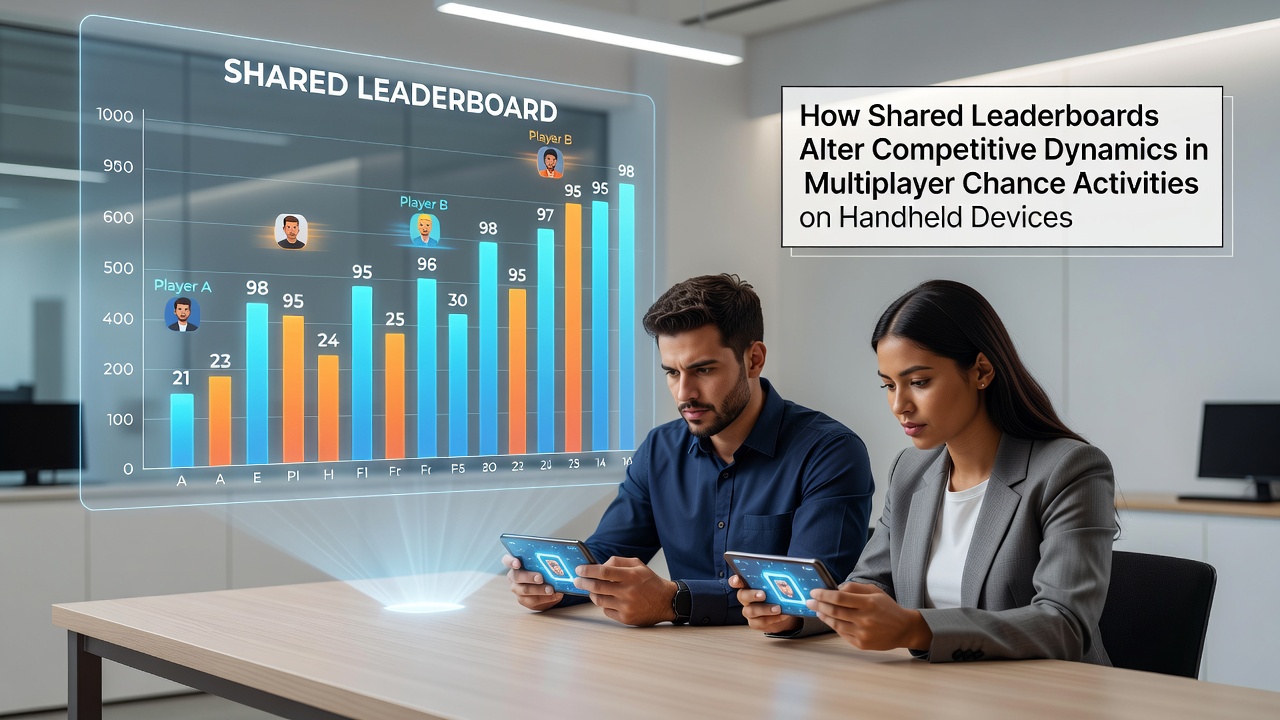
How Shared Leaderboards Alter Competitive Dynamics in Multiplayer Chance Activities on Handheld Devices
Shared leaderboards have become a standard feature in many multiplayer games that incorporate elements of chance on handheld devices, and data from recent industry reports show measurable shifts in how players approach competition. These systems rank participants based on performance metrics that often blend skill with random outcomes, such as dice rolls or card draws in titles available on smartphones and tablets. Observers note that this combination creates sustained engagement patterns different from single-player or non-ranked formats.
Mechanics of Shared Leaderboards in Chance-Driven Mobile Games
Developers integrate leaderboards by tracking cumulative scores or win rates across sessions, then displaying results to all participants in real time or at set intervals. In games where chance plays a central role, rankings reflect both strategic decisions and unpredictable variables, which researchers at institutions like the University of Waterloo have examined in studies on digital play behaviors. Players see their positions relative to others globally or within friend groups, prompting repeated logins to maintain or improve standing.
October 2026 figures from mobile analytics platforms indicate that games with visible leaderboards experience session lengths averaging 18 percent longer than comparable titles without them. The structure encourages users to monitor updates frequently, often through push notifications that highlight rank changes after each match.
Shifts in Player Interaction and Session Patterns
Competitive dynamics evolve when leaderboards make individual results public because participants adjust strategies to account for both opponents and the ranking system itself. Those who study mobile gaming data find that users in chance-heavy environments tend to increase play frequency during periods when leaderboards reset, such as weekly or monthly cycles. This pattern appears across platforms, with engagement spikes documented in regions including North America and parts of Asia.
Take one case where analysts tracked a popular mobile dice game over six months. The introduction of shared rankings correlated with a 22 percent rise in daily active users, while average matches per session grew from 4.2 to 6.1. Players frequently switched between aggressive and conservative approaches depending on their current leaderboard position, according to aggregated telemetry reviewed by academic teams.
Comparative Effects Across Different Chance Elements
Games relying heavily on randomization show distinct leaderboard influences compared with those blending chance with deeper strategy layers. In purely luck-based matchups, rankings fluctuate more rapidly, which can lead to shorter bursts of intense activity followed by breaks. Mixed-mechanics titles, however, produce steadier participation because players perceive greater control over long-term positioning.

Research compiled by the Entertainment Software Association highlights regional variations, with European markets reporting higher retention rates in leaderboard-equipped titles than markets in South America during the same observation windows. These differences tie partly to device penetration rates and cultural attitudes toward public competition.
Social and Psychological Dimensions Observed in Data
Shared rankings foster social comparison even among strangers, and studies from Canadian research groups document increased communication within game communities when leaderboards update visibly. Participants discuss tactics and outcomes more often in forums and in-app chats, creating informal knowledge networks around chance mitigation. Yet the same data sets reveal that some users reduce playtime after prolonged periods near the bottom of rankings, illustrating how visibility of standings can both motivate and discourage continued involvement.
Device-level features such as always-on connectivity amplify these effects by allowing instant access to updated standings from any location. Reports compiled in late 2026 show that over 65 percent of leaderboard interactions on handheld devices occur outside traditional home settings, including during commutes or brief pauses in daily routines.
Conclusion
Shared leaderboards continue to reshape how competition unfolds in multiplayer chance activities on handheld devices by linking random outcomes to visible, persistent hierarchies. Available statistics demonstrate consistent changes in session duration, login frequency, and strategic adjustments among participants. As mobile platforms evolve, the interplay between chance mechanics and ranking systems remains a focal point for developers and researchers tracking player behavior across jurisdictions.